
The Simple Formula to Sleep Better, Feel Energized, and Achieve Your Ideal Body — A Practical Guide to Rest, Energy, and Sustainable Results

You can improve sleep, boost daytime energy, and move closer to your ideal body by following a simple, repeatable formula that aligns sleep timing, evening habits, daytime routines, and recovery. Start by shaping consistent sleep windows and a predictable wind‑down. Hence, your body knows when to shift into rest — that single change often delivers faster energy and better body composition than random diet tweaks.
This post walks through a clear, practical system: the core formula that ties sleep and energy together, how to optimize your evening and daytime habits, and the small adjustments that produce long‑term results. You’ll get straightforward steps to overcome common obstacles and tailor the plan to your schedule so the benefits stick.
The Core Formula for Better Sleep and Energy
You can improve sleep, increase daytime energy, and support body-composition goals by tightening three practical habits: timing of stimulants and meals, a predictable wind-down routine, and consistent sleep opportunity. Each habit targets specific physiological processes—caffeine clearance, circadian alignment, and sleep-stage recovery.
Understanding the Sleep Energy Body Connection
Sleep regulates hormones that control appetite, muscle repair, and energy. When you get enough deep and REM sleep, your body releases growth hormone and balances cortisol and insulin, which supports muscle recovery and reduces fat storage.
Poor sleep increases cravings for calorie-dense foods and reduces motivation for resistance training. You tire sooner during workouts and rebuild muscle more slowly. Aim for regular sleep timing and uninterrupted sleep blocks to protect those recovery processes.
Sleep also affects daytime energy via circadian signals. Light exposure, meal timing, and activity shape your alertness rhythm. Control these inputs to align peak performance with training sessions and reduce reliance on stimulants like late caffeine.

The Three-Step Simple Formula Explained
Step 1 — Stop caffeine early: Avoid caffeine 10 hours before your target bedtime to prevent sleep-onset delays. That applies to coffee, many teas, and energy drinks.
Step 2 — Finish heavy meals and alcohol 3 hours before bed: eating late raises metabolic activity and reflux risk; alcohol fragments REM sleep. Keep the last large meal earlier and hydrate sensibly.
Step 3 — Wind down and limit screens 1 hour before bed: dim lights, do calming activities, and stop blue-light exposure to let melatonin rise naturally. Use a consistent pre-sleep routine to signal your body to shift into rest mode.
Combine these steps with a 0-tolerance rule for unpredictable wake times on workdays: maintain consistent wake time even on weekends to stabilize circadian timing and improve sleep depth.
Why Quality Sleep Directly Impacts Body Goals
Recovery drives muscle growth and fat loss. During slow-wave sleep, your body secretes growth hormone and performs protein synthesis. If you shorten or fragment that stage, gains from training diminish and fat-loss efforts stall.
Metabolic regulation changes with sleep restriction. Short sleep increases insulin resistance and raises appetite hormones like ghrelin while lowering leptin. You end up eating more and storing more energy as fat despite the same calorie intake.
Sleep also affects workout intensity and consistency. Well-rested sessions produce higher force, better technique, and greater adherence. Prioritize sleep as a non-negotiable part of your training plan to multiply the impact of diet and exercise.
Optimizing Your Sleep Routine
Set a fixed wake time, wind down for 30–60 minutes before bed, and make your bedroom cool, dark, and quiet. Small, consistent changes to timing, environment, and habits deliver the biggest improvements in sleep quality and daytime energy.

Building Consistent Sleep Habits
Pick a wake-up time you can keep every day, including weekends. Your body’s circadian rhythm responds to consistency; a stable wake time anchors sleep pressure and makes falling asleep easier.
Create a short, repeatable wind-down sequence of 30–60 minutes. Examples: turn off bright screens, dim lights, do 10 minutes of stretching or deep breathing, and read from a physical book. Repeat the same order each night so cues become automatic.
Track two simple metrics for two weeks: bedtime and wake time. Adjust bedtime in 15–30 minute steps until you hit 7–9 hours of sleep that leaves you waking without an alarm on most days. If you nap, keep naps under 30 minutes and before 3 PM.
Creating a Restful Sleep Environment
Keep bedroom temperature between 60–68°F (15–20°C); most people sleep better cooler. Use blackout curtains or an eye mask to eliminate light, and add a white-noise machine or fan if noise is an issue.
Choose bedding that supports your preferred sleep position and reduces night-time awakenings. If you wake with pain, evaluate mattress age and pillow loft; replace items older than 7–10 years or that no longer support neutral spine alignment.
Minimize bedroom stimulation: remove work items, limit TV and phone use, and reserve the bed for sleep and intimacy. If you must use devices, enable blue-light filters and reduce screen brightness at least 60 minutes before bed.

Timing Your Evening Routine for Success
Keep bedroom temperature between 60–68°F (15–20°C); most people sleep better cooler. Use blackout curtains or an eye mask to eliminate light, and add a white-noise machine or fan if noise is an issue.
Choose bedding that supports your preferred sleep position and reduces night-time awakenings. If you wake with pain, evaluate mattress age and pillow loft; replace items older than 7–10 years or that no longer support neutral spine alignment.
Minimize bedroom stimulation: remove work items, limit TV and phone use, and reserve the bed for sleep and intimacy. If you must use devices, enable blue-light filters and reduce screen brightness at least 60 minutes before bed.
Daytime Habits to Feel Energized
Focus on light exposure, targeted movement, and measured eating. These three levers drive daytime alertness, stabilize energy, and reduce late-day fatigue.
Morning Light and Wakefulness
Get at least 10–30 minutes of outdoor light within an hour of waking to reset your circadian clock. If natural light is unavailable, use a 5,000–10,000 lux light box for 20–30 minutes while you eat or prepare for the day.
Open curtains immediately; aim for a direct view of sky rather than just indoor brightness. Combine light exposure with activity—walking to get coffee or stepping onto a balcony boosts alerting effects.
Avoid bright screens in bed and delay heavy blue-light exposure until after your light session. If you wake groggy, expose yourself to light plus gentle movement to accelerate cortisol normalization and cognitive sharpness.

Movement and Physical Activity Strategies
Break activity into a morning session, midday booster, and brief hourly micro-movements. A 20–30 minute brisk walk or light resistance routine in the morning raises heart rate, improves mood, and sustains energy for hours.
Use a 10–15 minute brisk walk or bodyweight circuit after lunch to counter post-meal drowsiness. Stand or move for 3–5 minutes every 50–60 minutes to maintain circulation and mental focus.
Prioritize consistency over intensity: three 20–30 minute sessions most days beats one long workout that leaves you fatigued. Track steps or active minutes and increase weekly totals by 5–10% to build endurance without overtraining.

Smart Nutrition for Sustained Energy
Design meals to combine protein, fiber, and low-glycemic carbohydrates to avoid blood-sugar spikes and crashes. Example: Greek yogurt + berries + a small handful of nuts for breakfast; grilled chicken salad with quinoa for lunch.
Limit high-sugar drinks and large refined-carb meals during the day. If you drink caffeine, have it before 2–3 p.m. to avoid sleep disruption; aim for no more than 200–300 mg total unless you know your tolerance.
Hydrate consistently: drink 250–500 ml within the first hour after waking and sip water regularly—mild dehydration commonly mimics fatigue. Use small, protein-rich snacks (20–30 g protein) between meals when energy dips rather than sugary snacks.
Achieving Your Ideal Body Through Rest
Sleep affects how your body burns calories, controls appetite, and repairs tissue. Prioritizing consistent sleep schedules, quality deep sleep, and sufficient total sleep time gives you measurable advantages in fat loss, hunger control, and muscle recovery.
Sleep's Role in Metabolism and Fat Loss Poor sleep lowers resting metabolic rate and shifts substrate use toward carbohydrates instead of fat. Aim for 7–9 hours of sleep most nights to support baseline metabolic function; studies show short sleep can reduce energy expenditure by a measurable percentage and increase fat retention over time.
Timing matters: late-night light exposure and irregular bedtimes disrupt circadian signals that coordinate insulin sensitivity and lipid metabolism. Keep light dim in the evening and schedule meals earlier if you want to optimize hormonal signals for fat burning.
Practical steps: set a fixed bedtime, limit screens 60–90 minutes before sleep, and get morning light to strengthen circadian rhythm. These changes help restore normal metabolic signaling and make calorie work—diet and exercise—more effective.
Managing Hunger and Cravings Via Sleep
Sleep deprivation raises ghrelin (hunger hormone) and lowers leptin (satiety hormone), increasing appetite and preference for high-calorie foods. When you miss sleep, you will likely consume extra calories and crave sugar and fat, which undermines weight goals.
You can reduce cravings by stabilizing sleep duration and improving sleep quality. Prioritize 7–9 hours, avoid large meals and stimulants close to bedtime, and include protein at dinner to blunt overnight hunger signals.
Behavioural tactics help immediately: plan snacks, keep tempting foods out of sight, and schedule consistent meal times. These actions reduce decision fatigue when sleep loss would otherwise drive impulsive eating.

Recovery and Muscle Growth While You Rest
Most muscle repair and growth occur during deep sleep and early-night slow-wave stages when growth hormone peaks. If you consistently cut sleep short, you blunt protein synthesis and limit strength and hypertrophy gains from training.
To maximize recovery, target uninterrupted sleep blocks and time resistance workouts earlier in the day when possible. Post-workout protein (20–40 g of high-quality protein) combined with adequate sleep improves net muscle protein balance.
Track recovery signals: strength trends, muscle soreness, and morning resting heart rate. If progress stalls, evaluate sleep length and continuity before changing training volume or diet; often restoring sleep yields measurable performance and body-composition improvements.
Overcoming Common Obstacles
You will learn concrete tactics to protect sleep when stress, changing schedules, or stalled progress threaten your routine. Apply the specific steps below to keep recovery, energy, and body-composition goals moving forward.

Dealing With Stress and Sleep Disruptors
Identify the main nighttime disruptors you face—ruminating thoughts, late caffeine, screen light, or noisy rooms—and address one at a time. For worry, use a five-minute “worry dump” on paper 60–90 minutes before bed; list next actions for items you can fix and defer the rest to a “review” slot the next day.
Control light and stimulation: dim lights after dinner, switch screens to night mode or use blue-light filters, and keep the bedroom cool (60–67°F / 15–19°C). If noise wakes you, use earplugs, a white-noise app, or a fan.
Manage late-day stimulants and heavy meals. Stop caffeine at least 8–10 hours before your target wake time. Finish large meals 2–3 hours before bed and choose light, protein-lean snacks if hungry within an hour of sleep.
When anxiety persists, add brief evening breathing or box-breathing (4–4–4–4 seconds) for 3–5 minutes. If sleep disruption lasts more than three weeks despite these steps, consult a clinician about cognitive behavioral therapy for insomnia (CBT-I) or medical causes.
Travel, Shift Work, and Irregular Schedules
Plan your circadian strategy before travel or shift swaps. For eastbound travel or early shifts, advance your sleep schedule by 30–60 minutes per day for several days. For westward travel or night shifts, delay sleep by similar increments.
Use timed light exposure to shift your clock: get bright light in the morning to advance, or in the evening to delay. Carry a compact light device or prioritize outdoor sunlight for 20–30 minutes after waking on the new schedule. Use blackout curtains and a sleep mask to sleep at unusual times.
Strategic melatonin (0.5–1 mg low dose) taken 30–60 minutes before desired sleep can help shift the phase; use it for short adaptation periods only. Naps of 20–30 minutes can restore alertness on long shifts—avoid longer naps close to your main sleep bout. Keep meal timing consistent relative to your target sleep window to support metabolic rhythm.
Handling Plateaus in Progress
When fat-loss or performance stalls, examine sleep as a modifiable lever. Track sleep for two weeks—bedtime, wake time, total sleep, and perceived sleep quality. Look for chronic short sleep (<7 hours), frequent awakenings, or large variability (>90 minutes) between nights.
Adjustable fixes: solidify a 7–9 hour nightly window, remove late-night carbs/alcohol that fragment sleep, and align training intensity earlier in the day if evening workouts energize you. If you already sleep enough, inspect recovery factors: caloric deficit size, strength-training consistency, and stress load.
Use simple experiments: increase sleep opportunity by 30–60 minutes for two weeks, then reassess weight, hunger, and training performance. If improvements don’t follow, iterate on diet or program variables or seek a specialist for sleep disorders, endocrine issues, or metabolic evaluation.

Personalizing the Simple Formula for Your Lifestyle
Focus on measurable changes you can make and track. Choose adjustments that fit your daily schedule, body responses, and long-term goals.
Tracking Your Sleep and Energy Levels
Start by recording sleep time, wake time, perceived sleep quality, and daytime energy for two weeks. Use a notebook or a sleep app that logs sleep stages and heart rate; combine that with a simple energy scale (0–10) logged at 9 AM, 2 PM, and 8 PM.
Look for patterns: nights with <7 hours, late caffeine, or screen use within an hour of bed often link to lower morning energy. Create a table to compare variables:
Date Bed Wake Hours Caffeine cut-off Energy (9am/2pm/8pm)
Make one targeted change at a time (move caffeine earlier, shift bedtime 15 minutes). Track for 7–14 days before adding another change. Review weekly and keep the adjustments that consistently raise your daytime energy scores.
Adjusting the Approach for Your Body Type
Recognize how your body responds to sleep and nutrition rather than relying on generic rules. If you’re lean with high activity, you may need slightly more calories and protein in the evening to prevent nighttime hunger and fragmented sleep. If you carry extra weight, prioritize earlier meals and reduce late-night carbs to improve sleep quality and insulin sensitivity.
Use these practical rules:
End large meals 2–3 hours before bed.
Aim for 20–30 g protein at dinner if you train in the evening.
Move moderate exercise to earlier in the day; keep evening sessions light.
Monitor how changes affect sleep onset, awakenings, and morning energy. Adjust portions, timing, and macronutrient balance until sleep consistency and daytime alertness improve.
Integrating the Formula Into Your Daily Routine
Make the plan predictable and simple so you can sustain it. Build a 30–45 minute pre-bed routine that includes dimming lights, a non-stimulating activity (reading or light stretching), and a fixed bedtime cue like a warm shower or calming breathing exercise.
Use a checklist to automate habits:
No screens 45 minutes before bed
Caffeine cutoff at 2 PM
Protein-focused dinner finished 3 hours before sleep
20–30 minutes of daylight exposure within 1 hour of waking
Anchor changes to existing habits: pair your sunlight exposure with morning coffee, or follow dinner with a short walk. Reassess monthly and tweak one habit at a time so improvements stick without disrupting your life.

Long-Term Maintenance for Continued Success
Sustain progress by protecting your sleep routines, exercise patterns, and eating habits with clear, repeatable actions you can follow daily. Track key metrics and adjust small behaviors before they compound into setbacks.
Preventing Relapse Into Poor Habits
Identify your high-risk situations and create simple guardrails. For example, if late-night work triggers snacking, set a strict 9:30 p.m. shutdown for screens and food, and replace the habit with herbal tea or a 10-minute relaxation routine.
Use a short checklist each evening to reinforce priorities: sleep window, last caffeine intake, planned meals for the next day, and your 20–30 minute movement target. Keep the checklist visible on your phone or a sticky note so adherence becomes mechanical rather than dependent on willpower.
Build social and environmental supports. Tell a partner or friend about critical habits, remove trigger foods from your home, and keep workout clothes accessible. When you slip, apply a quick recovery plan: one missed night doesn’t erase progress; resume the checklist immediately and avoid self-judgment.
Adapting the Formula as Your Needs Change
Review objective measures monthly: sleep duration/efficiency, body weight or composition, and energy levels. Use simple tools: a wearable, a scale, and a two-question energy log to spot trends and decide which part of your routine needs tweaking.
Adjust in small increments. If sleep is shortened by 30 minutes, shift bedtime earlier by 15 minutes for two weeks before increasing exercise intensity. If weight plateaus while sleep is stable, prioritize small dietary swaps and add two strength sessions per week rather than overhauling everything at once.
Plan annual reassessments tied to life events—new job, pregnancy, travel—to update your sleep window, meal timing, and exercise schedule. Keep one flexible element (e.g., weekend routine) so you can absorb changes without disrupting the core habits that sustain your energy and body composition.
Related Articles

The key is adopting a balanced, sustainable lifestyle that combines nutritious eating, regular physical activity, and mindful habits. Here’s a practical guide on how to lose weight at home while maintaining a healthy lifestyle.
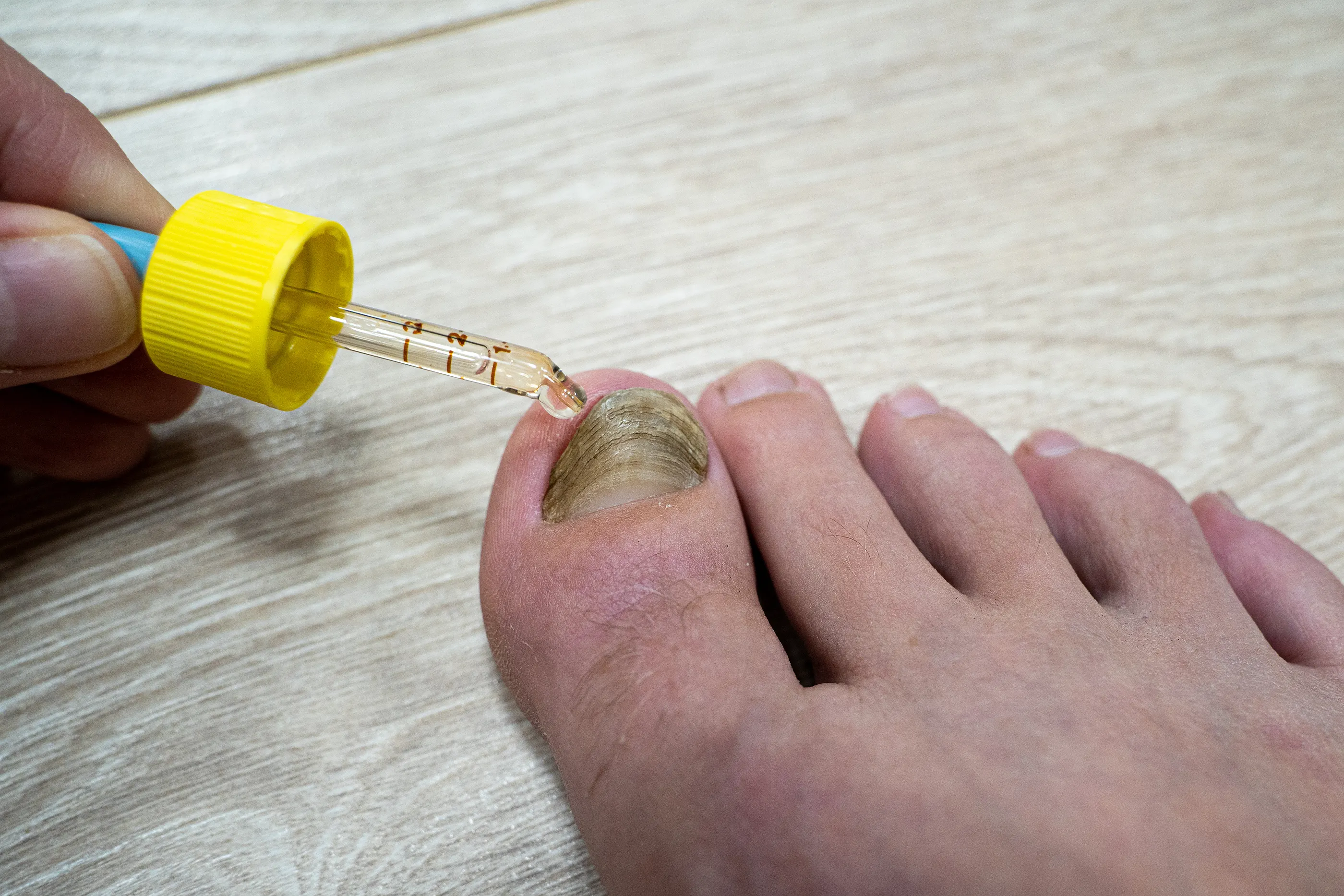
Empower yourself with knowledge and lifestyle changes that not only clear up infections but also strengthen your overall health. Say goodbye to discomfort and hello to a healthier, fungus-free you!

Here’s a practical guide on how to manage your prostate health naturally through everyday habits.
Copyright 2021 by Valleant Health. All rights reserved.
This site is not a part of the Youtube website or Youtube Inc. Additionally, This site is NOT endorsed by Youtube in any way. YOUTUBE is a trademark of YOUTUBE, Inc.